Skip to content
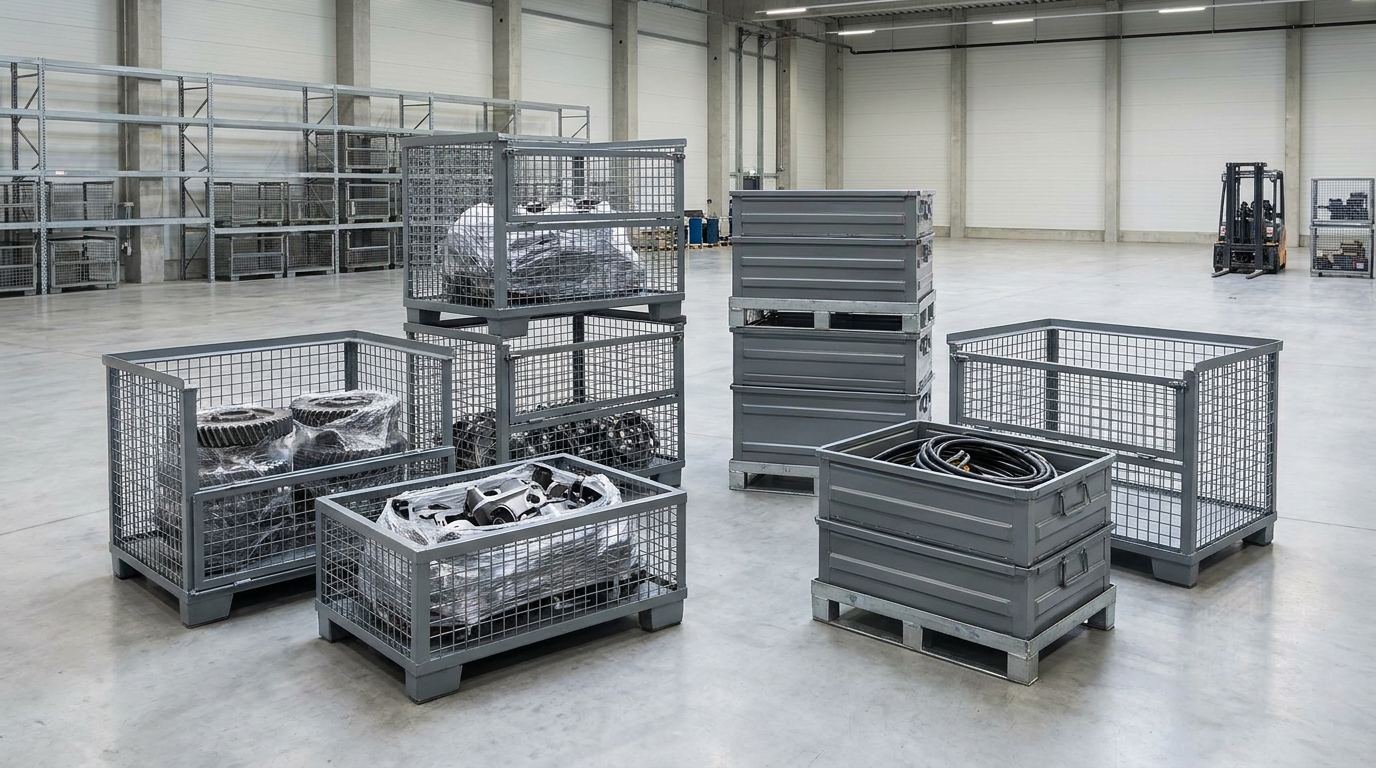
Ecovab Corporation builds custom steel parts for automotive and industrial manufacturers, engineered to exact customer specifications at facilities in Indiana, USA and Ontario, Canada. If you’ve been searching for harrisons steel or evaluating North American steel fabricators for brackets, frames, mounting hardware, or structural components, you’re in the right place. Plant engineers and procurement teams often search for specific supplier names when their current source is falling short on lead times, customization, or cross-border delivery. This guide covers what to look for in a custom steel fabricator, how North American dual-sourcing works, and what actually makes a supplier worth switching to.
What Manufacturers Actually Need From a Steel Parts Supplier
The search for harrisons steel usually starts with a real production problem. A bracket doesn’t fit. A frame wears out faster than expected. A supplier can’t hit your delivery window because they’re shipping from overseas. Whatever triggered the search, the underlying need is the same: a fabricator who can build to your spec, hold tolerances, and deliver on time.
Custom steel parts for manufacturing environments aren’t catalog items. A stamping plant in Ohio running 18-hour shifts puts different stress on a stacking frame than a Tier 2 assembly supplier in Ontario running two shifts. That’s why off-the-shelf solutions fail — the brackets are close, but not close enough. The frames are roughly the right size, but they don’t integrate with your containers or tooling.
What plant engineers actually need from a steel supplier:
- Material flexibility: mild steel for general structural use, stainless for wash-down or food-adjacent applications, galvanized for outdoor or high-humidity environments
- Custom geometry: exact hole patterns, flange dimensions, wall thickness, and load ratings specified by your engineering team
- Weld quality and finish: powder coat, e-coat, or bare steel depending on the application
- Fast quoting: a 48-hour quote turnaround matters when your line is waiting
- Proximity: a fabricator in Indiana or Ontario cuts weeks off lead time compared to offshore suppliers
Procurement managers who’ve dealt with overseas steel sourcing know the hidden costs: longer lead times, minimum order quantities that force excess inventory, batch-to-batch quality inconsistencies, and freight costs that have roughly doubled since 2021. North American fabrication addresses all of those directly.
How Custom Steel Fabrication Works at Ecovab
Ecovab’s process starts with your specifications, not a standard catalog. The team works from customer-supplied drawings or CAD files, and can help develop specs if your engineering team needs support early in the design process.
Here’s how a typical custom steel project moves:
- Specification intake: customer submits drawings, samples, or dimensional requirements
- Material selection: Ecovab recommends mild steel, stainless, or galvanized based on application and environment
- Quote in 48 hours: pricing based on volume, complexity, and material grade
- Prototype or first-article review: customer confirms fit and function before the production run
- Production and finishing: cut, bent, welded, and finished to spec — powder coat or other finish applied as required
- Shipment from Indiana or Ontario: delivered to your plant, dock-ready
That process applies to brackets, frames, stacking hardware, mounting components, and structural assemblies. The dual-facility setup in Indiana and Ontario gives customers in both the US and Canada a domestic supply point, which matters for customs clearance, lead times, and trade compliance.
If you’ve been sourcing from a single supplier and they went down — a strike, a facility issue, a capacity crunch — dual-sourcing across the border is a straightforward risk mitigation move.
For plants that need steel integrated with plastic or fabric components, Ecovab can build complete systems. A steel frame with HDPE panels, or a steel rack with fabric dunnage bags, is a single-source project instead of a multi-vendor coordination problem. See how that works in our post on “custom steel parts for automotive manufacturers”.
Steel vs. Plastic vs. Foam: Choosing the Right Material for Each Component
One of the first decisions in any packaging or storage system design is which material belongs where. Steel isn’t always the answer. The right call depends on the load, the environment, the cycle life required, and whether the component is structural or protective.
| Component | Recommended Material | Why |
|---|---|---|
| Stacking frames and racks | Steel | High load capacity, long cycle life, weld repair possible |
| Bin walls and tote bodies | HDPE plastic | Corrosion-free, lightweight, chemical resistant |
| Part cushioning and dividers | Crosslink foam | Moisture resistant, closed-cell, reusable |
| Covers, bags, and part pouches | Industrial fabric | Flexible, lightweight, protects finish parts |
| Mounting brackets and hardware | Steel | Precision geometry, high strength, weld or bolt attachment |
| Liner panels and wear surfaces | UHMWPE or HDPE | Low friction, impact resistant, replaceable |
Steel makes sense wherever structural load, weld integrity, or dimensional precision is non-negotiable. A stacking frame holding 2,000 lbs of stamped parts across 500 trips needs steel. A bin liner that gets replaced every two years because parts abrade it needs HDPE.
The Materials Handling Industry (MHI) estimates that returnable systems — which typically combine steel structural components with plastic or foam protective elements — reduce per-trip packaging costs by 15 to 35 percent compared to expendable packaging over five years. That math only works if the steel components are built to last the full service life.
For more on how material selection affects part protection, our post on “custom foam dunnage for manufacturers” covers how foam interfaces with steel and plastic structures in a returnable system.

What to Look for When Evaluating a Steel Fabricator
Not every shop that cuts and welds steel is equipped for the precision and volume that automotive or industrial customers require. Here’s a practical checklist for evaluating any fabricator, whether you’re assessing a harrisons steel alternative or comparing multiple vendors.
Capability depth
Can they handle your full range of components, or only simple flat parts? A supplier who can do brackets but not complex welded assemblies forces you to split work across vendors.
Quality documentation
Do they produce first-article inspection reports? Can they provide material certs for the steel grades they’re using? For Tier 1 and Tier 2 automotive suppliers, IATF 16949-aligned documentation is often required from sub-suppliers.
Lead time transparency
A 48-hour quote is table stakes. What matters more is actual production lead time and whether they communicate proactively when schedules shift. Ask for a specific example of how they handled a supply disruption in the last two years.
Geographic fit
If your plants are in Michigan, Indiana, Ohio, or Ontario, a fabricator with facilities in those regions cuts freight cost and delivery risk. OSHA and Transport Canada both have specific requirements for industrial equipment used in US and Canadian plants — a local fabricator is more likely to know those standards without being walked through them.
Finishing options
Powder coat, zinc plate, e-coat, bare steel with oil — the finish affects corrosion resistance and service life in ways that matter for plant floor applications. A fabricator who offers multiple finishing options gives you more design flexibility.
Single-source capability
If your system includes steel, plastic, foam, and fabric components, a single-source supplier saves project management time and reduces the risk of fit problems between components. Ecovab builds all four material types under one roof, which is unusual in the North American custom fabrication market.
North American Dual Sourcing: Indiana and Ontario
The case for sourcing steel parts from a North American fabricator has gotten stronger over the last several years. Freight costs from Asia have been volatile. Lead times that were 10 to 12 weeks pre-2020 stretched to 20 or 24 weeks during supply disruptions. Minimum order quantities that made sense when freight was cheap no longer pencil out the same way.
Ecovab’s dual-facility structure gives customers in both the US and Canada a practical advantage. A plant in Windsor can source from the Ontario facility with no customs delay. A plant in Indianapolis draws from the Indiana facility with next-day freight. If one facility is at capacity, the other can absorb the work.
That flexibility matters especially in automotive supply chains, where a line stoppage costs far more than any freight premium. The logic is simple: if your steel supplier goes down, you need an alternative that can produce to your spec quickly — not a new supplier who needs six months to ramp up.
For operations managers running supply chain packaging programs across US and Canadian plants, our post on “returnable packaging systems for manufacturers” covers how dual-country sourcing integrates with returnable container programs.
The Automotive Industry Action Group (AIAG) publishes returnable packaging guidelines that many OEMs and Tier 1 suppliers use as a baseline for supplier packaging requirements. A steel fabricator who understands those standards and builds to them is a different kind of partner than one who treats every job as a one-off.
Reusable Steel Systems and Long-Term Cost
A steel frame built to last 20 years costs more upfront than a stamped part from an overseas supplier. That’s true. The question is what happens over those 20 years.
A well-built steel stacking frame used in a typical automotive plant-to-plant loop might make 1,000 to 2,000 trips over its service life. If it costs $400 to build and lasts 10 years, the per-trip cost is well under $1. A single-use alternative at $12 per shipment accumulates $12,000 in expendable packaging cost over 1,000 trips.
That’s the math behind most of Ecovab’s steel projects. The initial capital looks higher. The five-year and ten-year cost looks very different.
Maintenance matters too. A steel frame that gets dinged or bent in a forklift incident can often be repaired by welding. A plastic equivalent is usually scrapped. That repairability extends service life and reduces total cost of ownership further.
For plants evaluating the full lifecycle cost of a packaging or storage system, our post on “returnable transport packaging” walks through the financial model in detail.
The U.S. Environmental Protection Agency’s sustainable materials management program notes that extending product lifecycles through reusable systems is one of the most effective ways to reduce industrial waste — and that’s before accounting for the cost savings. Steel systems that last decades generate far less waste than expendable alternatives cycling through every year.
Frequently Asked Questions About Harrisons Steel and Custom Steel Fabrication
Who makes custom steel parts for automotive manufacturers in North America?
Ecovab Corporation makes custom steel parts for automotive and industrial manufacturers, with facilities in Indiana, USA and Ontario, Canada. Ecovab builds brackets, frames, mounting hardware, stacking systems, and structural components in mild steel, stainless steel, and galvanized steel, all engineered to customer specifications. Lead times from first quote to first-article delivery typically run 3 to 6 weeks depending on complexity and volume.
Is Ecovab a good alternative to Harrisons Steel for custom fabrication?
Ecovab is a direct alternative for custom steel fabrication, with the added capability of building plastic, foam, and fabric components in the same facility. Where harrisons steel searches often reflect a buyer’s need for a custom North American steel parts supplier, Ecovab’s dual-facility setup in Indiana and Ontario provides domestic sourcing for both US and Canadian plants, with 48-hour quote turnaround and no overseas freight exposure.
How much do custom steel parts cost for a manufacturing plant?
Ecovab quotes custom steel parts based on complexity, material grade, volume, and finish requirements. Simple stamped brackets may start around $15 to $40 per unit at moderate volume; welded structural assemblies or stacking frames run $150 to $600 or more depending on weight and configuration. A 48-hour quote from Ecovab gives you a firm number based on your actual drawings, which is more useful than any general range estimate.
What materials does Ecovab use for custom steel fabrication?
Ecovab fabricates in mild steel (the most common choice for structural components and frames), stainless steel (for wash-down environments or food-adjacent applications), and galvanized steel (for outdoor use or high-humidity plant conditions). Material selection is part of the initial specification process and depends on the operating environment, load requirements, and expected service life of the component.
How do I specify the right steel parts for my facility?
Start with the load requirement, the operating environment, and the dimensional constraints. Ecovab’s engineering team works from customer-supplied drawings or CAD files, or can assist with specification development if your team is early in the design process. The critical inputs are: maximum load per component, cycle frequency, finish requirement (powder coat, bare steel, galvanized), and integration requirements with existing containers or tooling.
What is the lead time for custom steel parts from Ecovab?
Ecovab typically delivers a quote within 48 hours of receiving drawings or specifications. Production lead time runs 3 to 6 weeks for standard complexity components, and 6 to 10 weeks for complex welded assemblies or large volume first runs. Expedited options are available for urgent program launches, particularly for plants in Indiana and Ontario where proximity reduces freight time.
Does Ecovab build complete packaging systems that include steel, plastic, and foam?
Ecovab builds complete custom systems combining steel structural components, HDPE plastic parts, crosslink foam inserts, and industrial fabric elements, all from the same facilities in Indiana and Ontario. This single-source setup eliminates fit problems between components and reduces procurement complexity. A stacking frame with integrated foam-lined plastic bins is a single project, not three separate vendor relationships.
How does North American steel fabrication compare to overseas sourcing on total cost?
Ecovab’s North American fabrication typically carries a higher per-unit cost than offshore steel sourcing, but the total landed cost is often comparable or lower once freight, customs clearance, minimum order quantities, and quality inspection costs are factored in. The lead time advantage alone is worth 4 to 8 weeks per order cycle, which cuts safety stock requirements significantly. For programs running 500 or more trips over a 5-year window, the lifecycle cost of a durable North American steel system almost always beats the cumulative cost of offshore-sourced expendable or semi-durable alternatives.
Ready to Specify Custom Steel Parts for Your Plant?
Whether you arrived here searching for harrisons steel or evaluating North American steel fabricators more broadly, Ecovab is ready to quote your project. Send your drawings or specifications, get a firm quote within 48 hours, and review a first article before full production runs. Facilities in Indiana and Ontario mean domestic sourcing for plants across the US and Canada, with lead times that don’t depend on ocean freight or overseas quality inspection.
Visit ecovab.com or contact us to discuss your specifications.

Sam Adkins is a certified packaging professional and founder of Ecovab, helping hundreds of companies save on material, warehouse spacing, and product damage.