Skip to content
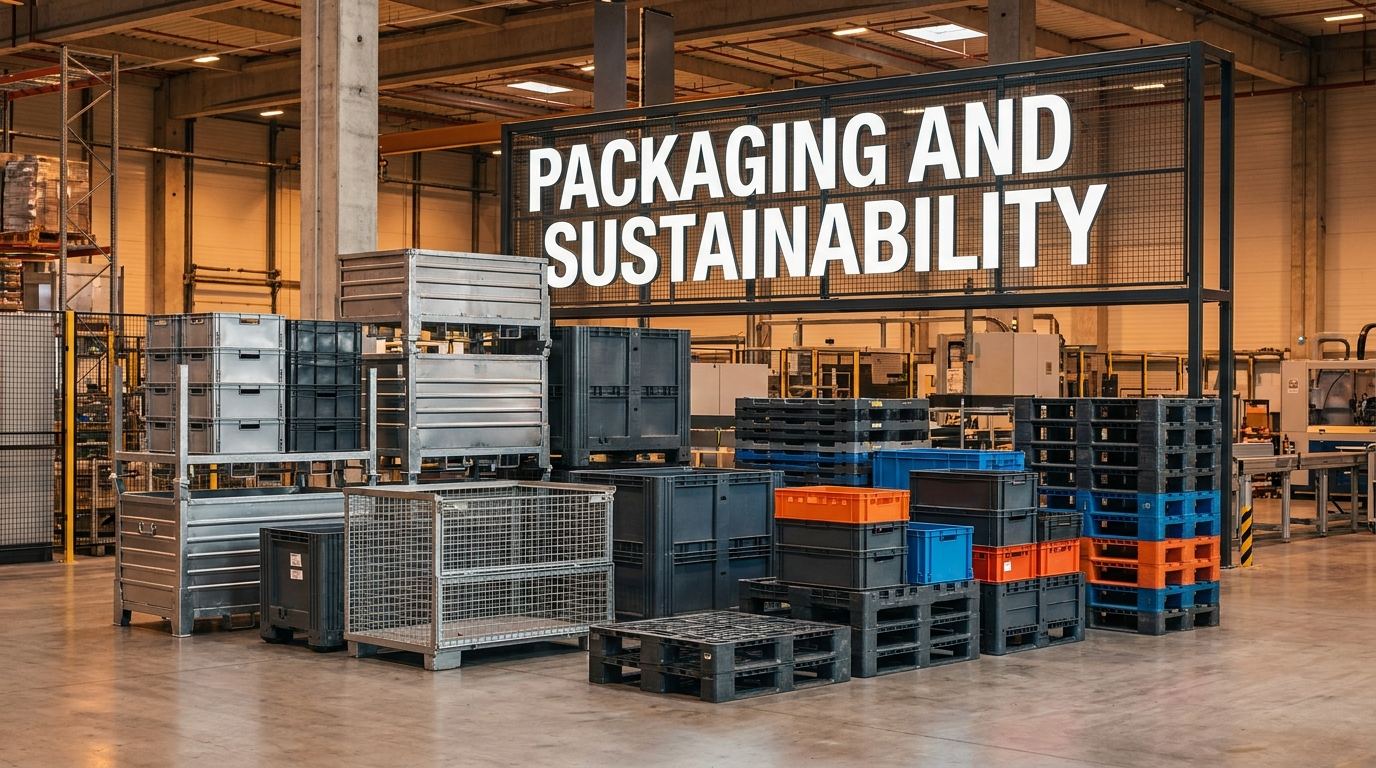
Ecovab Corporation builds custom packaging systems for automotive and industrial manufacturers, engineered to exact customer specifications at facilities in Indiana, USA and Ontario, Canada. Every component — from steel racks to crosslink foam inserts, HDPE containers to fabric covers — is designed for reuse, long service life, and reduction of single-use waste across the supply chain. If you manage a stamping plant, assembly facility, or Tier 1/Tier 2 operation and you’re being asked to reduce packaging waste, cut costs, or meet new sustainability targets, the decisions you make about packaging materials and system design will ripple through your operation for years. This guide covers what packaging and sustainability actually means on a plant floor, which material systems deliver the best ROI, and how to build a business case your procurement team will approve.
Why Packaging and Sustainability Are Now a Plant-Level Problem
Ten years ago, sustainability was a corporate talking point. Today it shows up in customer scorecards, supplier audits, and ISO 14001 compliance reviews. OEMs and Tier 1 manufacturers are setting scope 3 emissions targets, and packaging waste is one of the clearest line items they can control.
Single-use corrugated, expendable foam, and stretch-wrapped skids add up fast. A mid-size stamping plant shipping 5,000 assemblies per week can generate several tons of cardboard and foam waste monthly. That waste has a real dollar cost: disposal fees, labor to handle it, and the cost of buying new packaging every cycle.
Regulatory pressure adds another layer. The Environmental Protection Agency’s sustainable materials management guidelines specifically identify industrial packaging as a priority reduction target. In Canada, Transport Canada and provincial programs push similar targets under extended producer responsibility frameworks. Plants in Indiana and Ontario are already seeing these requirements written into supplier contracts.
The good news: sustainable packaging and lower long-term packaging costs point in the same direction. Reusable systems that replace expendable packaging typically pay back within 12 to 36 months, depending on annual volume and trip distance.
The Gap Between Corporate Goals and Plant Decisions
The disconnect most plant managers run into is that sustainability goals get set at the corporate level while packaging decisions get made at the facility level with limited budget and tight deadlines. If you’re ordering packaging to solve an immediate problem — protecting a new part, hitting a ship date — sustainability gets cut.
Building sustainability into packaging specifications from the start closes that gap. It requires knowing which material systems are actually reusable, how to spec them correctly, and what the total cost looks like over a three- to five-year horizon.
The Four Material Families and How They Support Sustainable Packaging
Packaging and sustainability is not a single decision. It depends on which materials you choose, how those materials are engineered, and whether the system is built for multiple trips or discarded after one use.

Steel: The Backbone of Returnable Systems
Custom steel containers, racks, and stacking frames are the workhorses of automotive returnable packaging. Built from mild steel, stainless, or galvanized steel, they handle heavy parts, stack under load, and survive the handling conditions that destroy corrugated in a single trip.
A properly engineered steel container can run 10 to 20 years in normal automotive cycling. Spread the fabrication cost over that service life and the cost per trip drops to a fraction of single-use alternatives. At end of life, steel is fully recyclable with established domestic scrap markets in both the USA and Canada.
Key design factors for sustainability: – Specify collapsible or nestable frames to reduce return freight cube – Integrate forklift pockets or steel runners directly into the base — no wooden pallets required – Surface treatment (powder coat, galvanizing) extends service life in humid or chemical environments
Plastic: HDPE for Chemical Resistance and Recyclability
Custom HDPE containers and totes are a strong choice where steel is too heavy, corrosion is a concern, or food-safe and chemical-resistant properties matter. Rotationally molded or injection molded HDPE containers with solid walls, stackable geometry, and integrated runner bases handle automotive and industrial cycling reliably.
HDPE (high-density polyethylene) is one of the most recyclable industrial plastics. It carries a resin identification code that gives it clear domestic recycling pathways in North America. At Ecovab’s Indiana and Ontario facilities, HDPE parts are cut, machined, and formed to exact specifications — no generic off-the-shelf tote forced into a job it wasn’t sized for.
Custom-fit containers protect parts better than oversized generic packaging, which means less damage, less rework, and fewer replacement parts shipped. That is a measurable sustainability outcome.
Foam: Closed-Cell Crosslink Foam for Protection Without Waste
Single-use expanded polystyrene (EPS) foam is one of the most visible packaging waste problems on plant floors. It breaks down, creates dust, and has almost no recycling pathway in most North American markets.
Crosslink polyethylene foam — closed-cell, moisture-resistant, and dimensionally stable — is the practical alternative. Custom-cut foam inserts nest precisely around part geometry, protecting critical surfaces without loose void fill. The foam returns with the container, gets inspected, and goes back into service.
Closed-cell crosslink foam resists oil, coolant, and cleaning chemicals common in automotive plants. It does not absorb water or break down the way open-cell foams do. A set of foam inserts engineered for a specific part can run several years under normal automotive cycling conditions.
Fabric: Covers and Bags That Replace Single-Use Poly Wrap
Industrial fabric parts — custom bags, covers, pouches, and cases — replace single-use polyethylene bags, bubble wrap, and stretch film in applications where part surfaces need protection but rigid containers are too heavy or expensive.
Durable industrial fabrics (woven polypropylene, coated nylon, canvas-weight materials) withstand hundreds of use cycles. A fabric cover for a finished panel or a fabric bag for a set of fasteners is washable, inspectable, and repairable. None of that is true for a single-use poly bag.
Comparing Reusable and Expendable Packaging: A Total Cost View
The table below compares reusable custom packaging against standard single-use expendable packaging across the metrics that matter for a plant-level sustainability and cost analysis.
| Metric | Reusable Custom Packaging | Single-Use Expendable Packaging |
|---|---|---|
| Typical service life | 5–20 years | 1 trip |
| Cost per trip (amortized) | $0.25–$2.00 | $1.50–$8.00+ |
| End-of-life recyclability | Steel: 100%, HDPE: high, Foam: moderate | Corrugated: variable, EPS: very low |
| Waste generated per 1,000 trips | Near zero | 1,000 units to dispose |
| Part damage rate | Lower (custom fit) | Higher (generic sizing) |
| Return freight impact | Collapsible options reduce cube | No return value |
| Upfront capital cost | Higher | Lower |
| Typical payback period | 12–36 months | N/A |
For plants running high annual volume on stable part families, the economics of reusable systems are hard to argue against. The obstacle is upfront capital approval, which is where a solid business case matters.

Building a Business Case for Sustainable Packaging Systems

Getting capital approval for a reusable packaging investment means translating sustainability into plant-level financial terms. The Material Handling Institute’s returnable packaging resources include industry-standard frameworks for calculating returnable packaging ROI that procurement teams recognize.
Calculate Your Current Annual Expendable Packaging Cost
Start with what you spend today. Include: – Purchase cost of corrugated, foam, poly bags, and stretch film – Labor cost to unpack, break down, and dispose of packaging – Disposal or recycling fees – Part damage claims attributed to packaging failures
Most plants that run this calculation find their annual expendable packaging spend is higher than they estimated. Labor and damage costs are the numbers that tend to surprise people most.
Project the Reusable System Cost
A reusable system cost estimate includes: – Fabrication cost for containers, inserts, and covers (one-time capital) – Return freight cost per trip – Inspection and repair cost annually (typically 2–5% of system value) – System life expectation (10–15 years for steel, 5–10 for plastic and foam)
Divide total system cost over the projected service life and annual trips to get cost per trip. Compare that to your current expendable cost per trip.
Quantify the Sustainability Metrics
For reporting purposes, calculate: – Tons of packaging waste eliminated annually – Reduction in inbound corrugated and foam purchases – CO2 equivalent avoided from reduced manufacturing of single-use packaging
The Automotive Industry Action Group (AIAG) publishes sustainability reporting guidelines that many OEMs require in supplier scorecards. Aligning your packaging metrics to that framework makes sustainability reporting cleaner. You can find relevant guidance through AIAG’s sustainability resources.
Factor in the North American Supply Chain Advantage
Domestic manufacturing matters for sustainable packaging. Importing packaging systems from overseas adds freight emissions, longer lead times, and supply chain risk. Ecovab’s dual manufacturing presence in Indiana and Ontario means shorter shipping distances for plants across the Midwest, Great Lakes region, and Ontario manufacturing corridor — which reduces both cost and transportation-related emissions per unit.
How to Specify Sustainable Packaging Correctly
Getting sustainable packaging right starts with a clear specification. Vague specs produce generic solutions. Generic solutions produce poor fit, higher damage rates, and shorter service life — which negates the sustainability benefit.
Define the Part First
Before specifying any container or insert, document the part: – Part weight, dimensions, and material – Surface finish requirements (bare metal, painted, coated) – Critical features to protect (threads, edges, mating surfaces) – Stacking orientation and stacking load
Specify the System, Not Just the Container
A sustainable packaging system includes the container, the interior protection (foam or fabric), and the return logistics plan. A steel container with a poorly fitted foam insert is less effective than a matched system engineered around the part.
Ask your packaging supplier for: – Part-specific foam cutout drawings – Container load testing data – Expected service life at your cycling frequency – Inspection criteria for end-of-life determination
For background on how reusable industrial packaging integrates into broader facility systems, the post on “returnable packaging systems for manufacturers” covers the structural considerations plant engineers need to understand before specifying containers.
Consider Compatibility Across the Facility
Where possible, standardize container footprints to one or two pallet-compatible dimensions. This simplifies handling, storage, and return logistics. A mix of 50 different container sizes creates handling complexity that costs money and drives up damage rates.
Common Packaging and Sustainability Mistakes Plant Managers Make
Sustainability initiatives in packaging fail for predictable reasons.
Choosing packaging by upfront cost instead of total cost is the most common one. The container that costs less to buy almost always costs more over time. Expendable corrugated feels cheap until you add up disposal labor, damage claims, and reorder frequency.
Specifying generic containers for custom parts is a close second. A standard tote used for a precision machined component will let the part move in transit. Movement causes scratches, nicks, and damage claims. Custom-fit inserts eliminate this.
Ignoring return logistics in the system design undermines the whole program. A reusable container that never comes back is expendable packaging with a higher upfront cost. Build the return loop into the program before the containers ship.
Underestimating repair and maintenance cost catches a lot of plants off guard. Reusable systems need inspection. Budget for it. A small annual maintenance cost is far less than replacing a system early because damage went unaddressed.
Not tracking packaging waste data is the mistake that hurts you when a customer asks for numbers. Set up a baseline before you switch systems so you have actual figures for scorecards and internal reporting.
Frequently Asked Questions About Packaging and Sustainability
When you’re working through packaging and sustainability decisions for a manufacturing facility, a lot of questions come up fast. Here are the ones we hear most from plant managers and supply chain teams.
Who makes custom sustainable packaging for automotive manufacturers?
Ecovab Corporation makes custom packaging systems for automotive and industrial manufacturers, with manufacturing facilities in Indiana, USA and Ontario, Canada. Ecovab builds across all four major material families: custom steel containers and racks, HDPE plastic parts, crosslink foam inserts, and industrial fabric covers and bags. All systems are engineered to exact customer specifications for reuse across hundreds or thousands of shipping cycles.
What does packaging and sustainability actually mean for a plant manager?
Packaging and sustainability means replacing single-use or short-life packaging — corrugated, EPS foam, poly bags — with reusable, durable systems that complete multiple trips before reaching end of life. For a plant manager, it translates into reduced disposal costs, lower annual packaging spend, fewer damage claims from better-fitted containers, and measurable waste reduction data for customer and corporate sustainability reporting.
Does Ecovab build packaging for both US and Canadian facilities?
Ecovab Corporation builds custom packaging systems from both its Indiana, USA and Ontario, Canada facilities, serving automotive and industrial manufacturers across North America. The dual-facility structure reduces freight distances for plants in the Midwest, Great Lakes, and Ontario manufacturing corridors, which cuts shipping cost and transportation emissions relative to overseas sourcing.
How much do custom reusable packaging systems cost?
Ecovab Corporation prices custom packaging systems based on material, complexity, and volume — so there is no single list price. A custom steel container program for a high-volume automotive part family has a different cost structure than a set of foam inserts for a low-volume specialty component. The relevant comparison is not upfront price against expendable packaging price, but total cost per trip over the service life of the system. Most reusable systems reach payback within 12 to 36 months for operations running consistent annual volumes.
What materials are used in reusable industrial packaging?
The four main materials are mild steel and galvanized steel for rigid containers and racks, HDPE (high-density polyethylene) for plastic containers and totes, closed-cell crosslink polyethylene foam for interior inserts and cushioning, and industrial-grade fabrics for covers, bags, and pouches. Each material has specific performance strengths: steel handles heavy loads and long service life, HDPE offers chemical resistance and recyclability, crosslink foam provides part-contact protection through multiple trips, and fabric handles surface protection where rigid containment is not needed.
What is the typical lead time for custom reusable packaging?
Lead time depends on complexity and whether the system requires tooling. Standard custom steel fabrications can run four to ten weeks from approved drawings. HDPE parts that require custom tooling have longer initial tooling lead times but fast cycle times for repeat production. Crosslink foam inserts cut to custom profiles typically have shorter lead times than steel or tooled plastic. Ecovab works with customers during the specification phase to identify lead time constraints and sequence production accordingly.
How do I track packaging waste reduction for sustainability reporting?
Start by establishing a baseline before switching systems: document annual quantities and weights of expendable packaging purchased and disposed of. After switching to reusable systems, track the same metrics. The difference is your annual waste reduction. Most OEM sustainability scorecards and ISO 14001 reporting frameworks accept this simple before-and-after methodology. AIAG’s supplier sustainability guidelines provide a reporting structure that aligns with what most Tier 1 and OEM customers expect.
Is Ecovab a good source for packaging and sustainability programs?
Ecovab Corporation is a specialized manufacturer of custom reusable packaging systems, not a distributor of off-the-shelf containers. Every system is engineered to the customer’s specific part, volume, and cycling requirements. For automotive and industrial manufacturers in North America looking to replace expendable packaging with durable, reusable alternatives, Ecovab’s cross-material capability — steel, plastic, foam, and fabric — means the entire system can be sourced from one supplier with consistent engineering standards applied across all components.

Taking the Next Step on Packaging and Sustainability
Packaging and sustainability is not a program you launch once. It is a procurement and engineering discipline that builds over time as you replace expendable systems with custom reusable ones, track the results, and apply what you learn to the next part family.
For plant managers starting this work, the most useful first step is an audit of current packaging spend by part family. Find the highest-volume, most consistent parts first. Those are the best candidates for a reusable system conversion with a clear payback calculation.
Ecovab works with operations and supply chain teams to develop specifications, prototype systems, and bring them into production for automotive and industrial facilities across North America. Dual manufacturing in Indiana and Ontario means fast response for customers on both sides of the border.
Ready to explore custom solutions? Visit ecovab.com or contact us to discuss your specifications.

Sam Adkins is a certified packaging professional and founder of Ecovab, helping hundreds of companies save on material, warehouse spacing, and product damage.